Nashik
08048067444
+917038032499

Treatments

Gastro and Colorectal Surgery Laproscopic

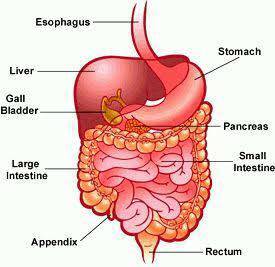
Minimally Invasive GI Surgical Procedures Minimally invasive surgery, or laparoscopic surgery, allows surgeons to operate with smaller incisions. Some even operate with the help of tiny video cameras during surgery. With minimally invasive surgery, patients will have less pain, less blood loss and smaller scars after surgery. It also helps to lower the risk of infection. Patients often feel better quicker and can leave the hospital sooner. Although there are many benefits, it is not an option for all patients. Listed below are some types of laparoscopic procedures that are done to treat GI conditions Appendectomy - This procedure removes an infected appendix (the small finger-like pouch at the end of the large intestine). Bariatric Surgery - This procedure makes the stomach smaller, which helps with weight loss. Cholecystectomy - This procedure treats gallstones by removing the gallbladder. It has few risks to it and recovery time is usually short. Colon and Rectal Surgery - This type of surgery treats conditions of the large intestine (including the colon, rectum and anus). Foregut Surgery - This is often used to treat conditions of the upper GI tract. It can involve the esophagus (the tube connecting your mouth to your stomach), stomach or the upper portion of the small intestines. Hiatal Hernia Repair - This treatment can fix hiatal hernias and paraesophageal hernias. A hiatal hernia is an opening in the diaphragm (the muscle that separates your chest from your abdomen) that might cause the stomach or other abdominal organs to shift up into the chest. It can cause heartburn, chest or abdominal discomfort, discomfort with eating or shortness of breath. Nephrectomy - This procedure can be used to remove a diseased or cancerous kidney. Pancreatic Surgery - Depending on the circumstances, this procedure can sometimes be used in treating different pancreatic conditions. Splenectomy - This type of procedure involves removing the spleen.

IUI - Intrauterine Insemination

The term Infertility is defined as the inability to conceive despite regular and unprotected intercourse for 1 year. At Our Center Couples should be aware that 80% will conceive within a year and 90% within two years if they do not use contraception and have regular intercourse. Although infertility by itself may not threaten physical health, it does have a serious impact on the mental and social well being of affected couples. Our Fertility Center will help your dream come alive. “Intrauterine insemination” (IUI) simply means putting sperm into the uterus. We give the simplest kind of treatment solution for couples having trouble conceiving. As it is so simple and easy, doctors may recommend that you try IUI before you consider any other treatment. IUI is carried out at the IVF unit and is usually performed in conjunction with ovulation induction. A doctor at the Unit will prescribe drugs to stimulate you to ovulate on a particular day, after carefully calculating the dose that is right for you. You will need two different types of drug. Firstly, you will need a drug that tells the immature eggs in your ovaries to start growing and developing. The drugs that do this mimic the action of a hormone that occurs naturally in the body. This hormone is called “follicle stimulating hormone” (FSH). FSH tells the immature eggs in your ovaries to grow. These immature eggs grow inside a bubble of fluid, known as a “follicle.” You will be given regular ultrasound scans whilst you are receiving these drugs. These scans will measure the size and number of your growing follicles, to decide when you are ready to ovulate. When one follicle reaches the right size, you will be given another hormone injection. This hormone will stimulate the release of the egg from the follicle (ovulation) at a predictable time so we can perform the IUI at the optimal time for sperm and egg to meet and hopefully fertilities.

High Risk Pregnancy

What is a high-risk pregnancy? A high-risk pregnancy is one that threatens the health or life of the mother or her fetus. It often requires specialized care from specially trained providers. Some pregnancies become high risk as they progress, while some women are at increased risk for complications even before they get pregnant for a variety of reasons. Early and regular prenatal care helps many women have healthy pregnancies and deliveries without complications. Risk factors for a high-risk pregnancy can include: Existing health conditions, such as high blood pressure, diabetes, or being HIV-positive1 Overweight and obesity. Obesity increases the risk for high blood pressure, preeclampsia, gestational diabetes, stillbirth, neural tube defects, and cesarean delivery. NICHD researchers have found that obesity can raise infants' risk of heart problems at birth by 15%.3 Multiple births. The risk of complications is higher in women carrying more than one fetus (twins and higher-order multiples). Common complications include preeclampsia, premature labor, and preterm birth. More than one-half of all twins and as many as 93% of triplets are born at less than 37 weeks' gestation.4 Young or old maternal age. Pregnancy in teens and women age 35 or older increases the risk for preeclampsia and gestational high blood pressure.5,6 Women with high-risk pregnancies should receive care from a special team of health care providers to ensure the best possible outcomes.

Subcategory Tags

Urologist In Nashik Best Urologist In Nashik Top Urologist In Nashik IUI Treatment In Nashik Best IUI Treatment In Nashik Adolescent Menstural Prombles Treatment In Nashik Best Adolescent Menstural Prombles Treatment In Nashik Oncologist In Nashik Best Oncologist In Nashik Vaginitis Infection Treatment In Nashik Best Vaginitis Infection Treatment In Nashik Infertility Treatment In Nashik Best Infertility Treatment In Nashik Neurologist In Nashik Top Neurologist In Nashik Best Neurologist In Nashik Cardiologist In Nashik Best Cardiologist In Nashik Top Cardiologist In Nashik Nephrologist In Nashik Best Nephrologist In Nashik Top Nephrologist In Nashik Family Planning Consultant In Nashik Best Family Planning Consultant In Nashik Menstrual Disorders Treatment In Nashik Best Menstrual Disorders Treatment In Nashik Pulmonologist In Nashik Best Pulmonologist Best Pulmonologist In Nashik Menopausal Problems Treatment In Nashik Best Menopausal Problems Treatment In Nashik High-Risk Pregnancy Treatment In Nashik Best High-Risk Pregnancy Treatment In Nashik PCOD Treatment In Nashik Best PCOD Treatment In Nashik Fibroid Uterus Treatment In Nashik Best Fibroid Uterus Treatment In Nashik Laparoscopy Treatment In Nashik Best Laparoscopy Treatment In Nashik Hysteroscopy Treatment In Nashik Best Hysteroscopy Treatment In Nashik Ovarian Cyst Treatment In Nashik Best Ovarian Cyst Treatment In Nashik Uterine Cancer Treatment In Nashik Best Uterine Cancer Treatment In Nashik Antenatal Care In Nashik Best Antenatal Care In Nashik Antenatal Care Treatment In Nashik Best Antenatal Care Treatment In Nashik
Phone Number

08048067444

Please keep 0 before dialling the number.

Mon-Thu: 10 AM - 2 PM • Fri: 3 PM - 7AM

Other Website Visit our other website
Address 5th Floor, Shreeji Bizz World Complex, Kathe Galli Signal, Opp.Camel House, Dwarka

Nashik, India, 422011

footerhc