Nashik
08048067444
+917038032499

Treatments

PCOD Treatment

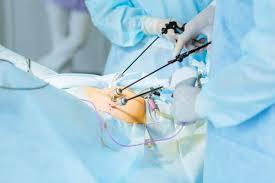
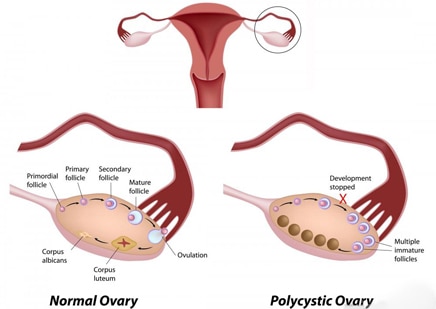
PCOD Treatment Polycystic ovarian syndrome(PCOS), also known as PCOD( polycystic ovarian disease) is one of the commonest causes of infertility. The condition, polycystic ovarian syndrome, known as PCOS, is the commonest cause of ovulation disorders in women of reproductive age. Polycystic ovarian syndrome (PCOS), is a primary ovarian condition and is characterized by the presence of many minute cysts in the ovaries and excess production of androgens. Polycystic ovarian syndrome can be found in apparently normal women and the full expression of the disease so-called “Stein-leventhal syndrome” is very uncommon. Polycystic ovarian syndrome is frequently associated with weight gain, excessive hair growth in the face and body, irregular and infrequent periods or absent periods, infrequent or absent ovulation, miscarriage and infertility. The cause of PCOS is not fully understood. However, PCOS is thought to be a genetic disorder (autosomal dominant) meaning that each child has a 50% chance of inheriting the disorder from a parent who carries the gene. The gene can be inherited from either mother or father. The exact gene causing PCOS has not yet been identified. There are long-term risks of developing type 2 diabetes, cardiovascular disease and cancer of the womb. Women diagnosed as having PCOS before pregnancy have an increased risk of developing gestational diabetes. Incidence of Polycystic Ovarian Syndrome Polycystic ovarian syndrome (PCOS) accounts for 90% of women with oligomenorrhoea (infrequent periods) and 30% of women with amenorrhoea (absent of periods) and over 70% of women with an ovulation. Diagnosis of Polycystic Ovarian Syndrome Laparoscopy: Laparoscopy allows direct inspection of the ovaries; the ovaries are enlarged and polycystic. However, polycystic ovaries may appear normal at laparoscopy. Vaginal ultrasound scan (better than abdominal): The vaginal ultrasound may show the typical PCOS appearance but reliability varies with expertise. Blood hormone levels of LH, FSH, androgens and SHBG Ideally, these tests should be performed during the first four days of the cycle. If the women has no period, then the test can be performed anytime, and repeated if the results do not provide a clear picture.

Liver Fibroscan

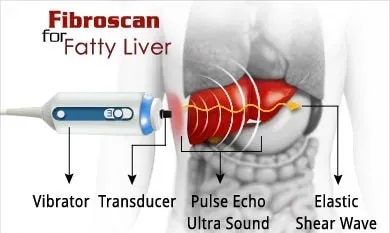
A FibroScan is a test that measures the amount of fibrosis (thickening or scarring of tissues) in your liver.It can be used alone or with other tests (such as biopsy, blood tests,ultrasounds) to see how much scarring there is on your liver. What is Liver FibroScan? Liver fibrosis occurs when the healthy tissue of your liver becomes scarred and therefore cannot work as well. Fibrosis is the first stage of liver scarring. Later, if more of the liver becomes scarred, it’s known as liver cirrhosis. What are the stages of Liver Fibrosis? There are several different scales of liver fibrosis staging, where a doctor determines the degree of liver damage. Since staging can be subjective, each scale has its own limitations. One doctor may think a liver is slightly more scarred than another. However, doctors will usually assign a stage to liver fibrosis because it helps the patient and other doctors understand the degree to which a person’s liver is affected. One of the more popular scoring systems is the METAVIR scoring system. This system assigns a score for “activity” or the prediction of how fibrosis is progressing, and for the fibrosis level itself. Doctors can usually assign this score only after taking a biopsy or tissue sample of a piece of the liver. The activity grades range from A0 to A3: A0: no activity A1: mild activity A2: moderate activity A3: severe activity The fibrosis stages range from F0 to F4 as per liver fibrosis scan testing: F0: no fibrosis F1: portal fibrosis without septa F2: portal fibrosis with few septa F3: numerous septa without cirrhosis F4: cirrhosis What are the symptoms of Liver Fibrosis? Doctors don’t often diagnose liver fibrosis in its mild to moderate stages. This is because liver fibrosis doesn’t usually cause symptoms until more of the liver is damaged. When a person does progress in their liver disease, they may experience symptoms that include: appetite loss difficulty thinking clearly fluid buildup in the legs or stomach jaundice (where the skin and eyes appear yellow) nausea unexplained weight loss weakness

Capsule Endoscopy

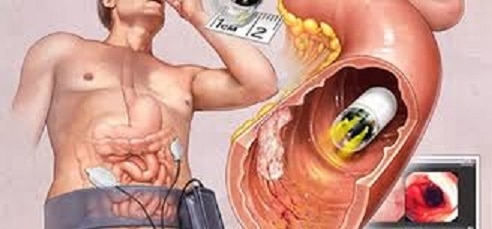
Endoscopy is a way of looking inside the body. Endoscopy is often done with a tube put into the body that the doctor can use to look inside. Another way to look inside is to put a camera in a capsule (capsule endoscopy). This capsule includes one or two tiny cameras, a light bulb, a battery, and a radio transmitter. It is about the size of a large vitamin pill. The person swallows the capsule, and it takes pictures all the way through the digestive (gastrointestinal) tract. The radio transmitter sends the photos to a recorder the person wears on their waist or shoulder. A technician downloads the photos from the recorder to a computer, and the doctor looks at them. The camera comes out and is flushed down the toilet safely. . How the Test is Performed This test can be started in the doctor’s office. The capsule is the size of a large vitamin pill, about an inch (2.5 centimeters) long and less than ½ inch (1.3 centimeters) wide. Each capsule is used only once. The health care provider may ask you to lie down or sit up while swallowing the capsule. Capsule endoscope will have a slippery coating, so it is easier to swallow. The capsule is not digested or absorbed. It travels through the digestive system following the same path food travels. It leaves the body in a bowel movement and can be flushed down the toilet without harming the plumbing. The recorder will be placed on your waist or shoulder. Sometimes a few antenna patches may also be put on your body. During the test, the small light on a recorder will blink. If it stops blinking, call your provider. The capsule may be in your body for several hours or several days. Everyone is different. Most of the time, the capsule leaves the body within 24 hours. Flush the capsule down the toilet. If you do not see the capsule in the toilet within two weeks of swallowing it, tell your provider. You may need an x-ray to see if the capsule is still in your body.

Subcategory Tags

Urologist In Nashik Best Urologist In Nashik Top Urologist In Nashik IUI Treatment In Nashik Best IUI Treatment In Nashik Adolescent Menstural Prombles Treatment In Nashik Best Adolescent Menstural Prombles Treatment In Nashik Oncologist In Nashik Best Oncologist In Nashik Vaginitis Infection Treatment In Nashik Best Vaginitis Infection Treatment In Nashik Infertility Treatment In Nashik Best Infertility Treatment In Nashik Neurologist In Nashik Top Neurologist In Nashik Best Neurologist In Nashik Cardiologist In Nashik Best Cardiologist In Nashik Top Cardiologist In Nashik Nephrologist In Nashik Best Nephrologist In Nashik Top Nephrologist In Nashik Family Planning Consultant In Nashik Best Family Planning Consultant In Nashik Menstrual Disorders Treatment In Nashik Best Menstrual Disorders Treatment In Nashik Pulmonologist In Nashik Best Pulmonologist Best Pulmonologist In Nashik Menopausal Problems Treatment In Nashik Best Menopausal Problems Treatment In Nashik High-Risk Pregnancy Treatment In Nashik Best High-Risk Pregnancy Treatment In Nashik PCOD Treatment In Nashik Best PCOD Treatment In Nashik Fibroid Uterus Treatment In Nashik Best Fibroid Uterus Treatment In Nashik Laparoscopy Treatment In Nashik Best Laparoscopy Treatment In Nashik Hysteroscopy Treatment In Nashik Best Hysteroscopy Treatment In Nashik Ovarian Cyst Treatment In Nashik Best Ovarian Cyst Treatment In Nashik Uterine Cancer Treatment In Nashik Best Uterine Cancer Treatment In Nashik Antenatal Care In Nashik Best Antenatal Care In Nashik Antenatal Care Treatment In Nashik Best Antenatal Care Treatment In Nashik
Phone Number

08048067444

Please keep 0 before dialling the number.

Mon-Thu: 10 AM - 2 PM • Fri: 3 PM - 7AM

Other Website Visit our other website
Address 5th Floor, Shreeji Bizz World Complex, Kathe Galli Signal, Opp.Camel House, Dwarka

Nashik, India, 422011

footerhc